1 Composition
Ingredients per tube include:
Clotrimazole 1%
Excipients (sufficient quantity).
Dosage form: Topical cream.
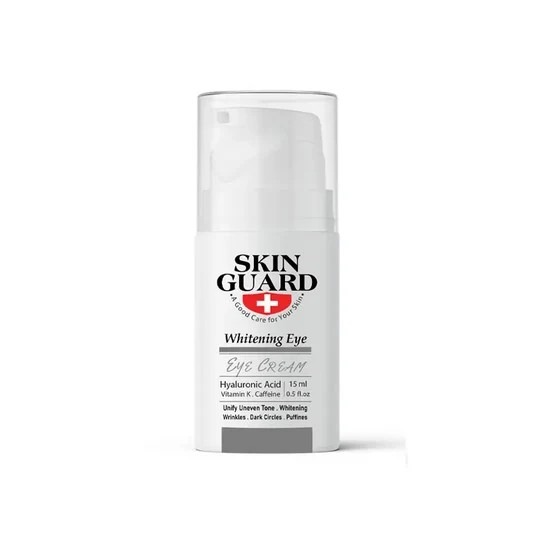
2 Effects and Indications of Skin Guard 1%
Skin Guard 1% is used to treat:
Fungal skin infections caused by dermatophytes and other fungi, such as *Trichophyton* species.
Fungal infections caused by yeasts, particularly *Candida* species.
Skin lesions with secondary fungal infections caused by the aforementioned pathogens.
Diaper rash, vulvitis, or balanitis associated with *Candida*.
3 Dosage and Administration of Skin Guard 1%
3.1 Dosage
Apply a thin layer to the affected skin area and rub gently to ensure even absorption; apply 2–3 times daily.
No dosage adjustment is required across different age groups.
3.2 Administration
For topical use.
A cream strip of approximately 0.5 cm is sufficient to cover an area of skin the size of a hand. Continue treatment for at least 4 weeks for dermatophyte infections and a minimum of 2 weeks for *Candida* infections.
For foot infections, wash and thoroughly dry the area—especially between the toes—before applying the medication.
If a dose is missed, apply it as soon as remembered. If it is nearly time for the next dose, skip the missed dose and resume the normal schedule. Do not apply a double dose to make up for a missed one.
4 Contraindications
Do not use Skin Guard 1% Clotrimazole in individuals with a history of hypersensitivity or allergy to any of its ingredients.
Do not use for the treatment of scalp or nail fungal infections.
==>> Readers may also refer to: Clotrimazole 1% Hadiphar, which is indicated for the treatment of inflammatory and fungal skin infections.
5 Side effects
Use of Skin Guard 1% may cause unwanted effects such as: anaphylaxis, angioedema, hypersensitivity, syncope, hypotension, dyspnea, blisters, contact dermatitis, erythema, paresthesia, skin peeling, itching, rash, urticaria, stinging or burning sensations, local irritation, edema, and pain at the application site.
6 Interactions
Concomitant use with rubber contraceptives may reduce their durability and effectiveness due to the risk of material damage. Alternative contraceptive methods should be used for at least 5 days after using the medication.
7 Notes on Use and Storage
7.1 Precautions
Avoid contact with fire or strong heat sources as the medication may increase the risk of burning on clothing, bandages, or fabrics contaminated with the medication. Washing may reduce residue but does not completely eliminate the risk.
Use with caution in patients sensitive to benzyl alcohol as it may cause mild irritation or local allergic reactions.
Patients with a tendency to skin irritation should be monitored as cetosteryl alcohol may cause contact dermatitis.
The medication may cause mild irritation at the application site, so skin reactions should be monitored during use.
7.2 Notes on Use in Pregnant and Breastfeeding Women
7.2.1 Pregnant Women
Data on pregnant women are limited. Animal studies have shown that clotrimazole may cause reproductive toxicity when administered orally at high doses. However, when applied topically, the amount of drug absorbed into the bloodstream is very low, so adverse effects are unlikely. It can be used during pregnancy when indicated and under the supervision of a healthcare professional.
7.2.2 Breastfeeding
There is no clear evidence of the drug being excreted into breast milk. Due to negligible systemic absorption after topical application, the risk to breastfed infants is considered low. It can be used during breastfeeding. If applied to the breast area, it should be cleaned before breastfeeding.
7.2.3 Fertility
No human studies have been conducted. Animal data have not shown any effect of the drug on fertility.
7.3 Overdose Management
The risk of acute poisoning is very low due to limited systemic absorption when applied topically, even when applied over a large area or accidentally swallowed. There is currently no specific antidote.
In case of ingestion, gastric lavage is rarely necessary. Only consider administering clotrimazole if a large, potentially dangerous amount has been used within 1 hour or if clear symptoms such as dizziness, nausea, or vomiting occur. Only proceed if airway management is ensured.
7.4 Storage
Store below 30°C in a dry place, away from direct sunlight.
8 Alternative Products
In case Skin Guard 1% is temporarily out of stock, you may consider the following alternatives:
Patylcream is manufactured by Hasan-Dermapharm Joint Venture Company Limited – a joint venture with Dermapharm AG, a leading pharmaceutical company in Germany. This medication treats Candida fungal infections on the skin and is poorly absorbed, thus minimizing interactions with other medications and foods during treatment.
9. Mechanism of Action
9.1 Pharmacodynamics
Clotrimazole inhibits ergosterol synthesis, altering the structure and function of fungal cell membranes. It has a broad spectrum of action against many types of fungi, including filamentous fungi, yeasts, and molds.
The effect can be fungistatic or fungicidal depending on the concentration of the drug at the site of infection. Its activity is primarily on growing fungal cells, while spores are less susceptible.
In addition, the drug also acts on some Gram-positive bacteria such as Streptococci, Staphylococci, Gardnerella vaginalis, and some Gram-negative bacteria such as Bacteroides. It also inhibits Corynebacteria and Gram-positive cocci, except for Enterococci, at appropriate concentrations.
Primazole resistance is rare; secondary resistance has only been observed sporadically in clinical practice.
9.2 Pharmacokinetics
Clotrimazole is minimally absorbed into the bloodstream through intact or inflamed skin.